

Introduction to Mass Flow Measurement in LNG Refueling
Handling Liquefied Natural Gas (LNG) in refueling stations involves operating at temperatures below -160 °C. The volatile nature of cryogenic fuel handling presents unique challenges for advanced mass flow measurement. Accurately quantifying the mass of LNG transferred is critical because LNG volume fluctuates dramatically with temperature and pressure changes, making volume-based measurements unreliable in these contexts.
Maintaining precision and reliability in LNG refueling technology is essential, especially for custody transfer metering systems. Even small measurement inaccuracies can trigger financial losses, compromise safety, or violate regulatory requirements. In LNG custody transfer metering, the emphasis is shifting toward mass flow rate measurement devices—most notably the coriolis mass flowmeter due to its ability to directly measure the mass of cryogenic liquids independent of changing density or temperature conditions.

LNG Refueling
*
However, several physical and operational factors complicate accurate measurement in these environments. Materials, such as stainless steel used in coriolis mass flowmeters, contract at cryogenic temperatures. These dimensional changes affect mechanical properties like Young’s modulus and must be taken into account, since the sensor’s calibration at room temperature no longer applies. If left uncorrected, they introduce significant uncertainty into flow readings, leading to errors during LNG custody transfer flow measurement. Special calibration techniques that factor in thermal contraction and shifting mechanical properties are thus necessary for reliable readings in cryogenic refueling systems.
Environmental effects, such as minor heat ingress or incidental pressure changes, further complicate LNG mass flow measurement. These can cause rapid density variation or phase transitions—where LNG flashes into two-phase (liquid and gas) flows. This phenomenon disrupts the precision of mass flow reading devices, regardless of sensor quality. Boil-off gas formation and cavitation are frequent, requiring that refueling stations use mass flow measurement devices able to compensate for transient two-phase and density conditions.
Coriolis mass flowmeters, when properly engineered and calibrated for cryogenic service, can deliver expanded uncertainties as low as 0.5%, suitable for both custody transfer and operational monitoring. Active compensation for temperature-dependent changes in sensor properties, zero-point drift, and the stresses of repeated cryogenic cycling are key to maintaining confidence in LNG refueling measurement. For high-accuracy coriolis mass flowmeter systems, specific calibration at cryogenic temperatures is necessary to reduce error margins and guarantee traceable, SI-compliant results.
As the global market for LNG as a transportation fuel expands, accurate LNG refueling stations depend increasingly on robust, harmonized, and traceable mass flow measurement. Reliable custody transfer flow measurement protects buyers and sellers while minimizing operational risk and supporting the transition to mass-based trading in cryogenic environments. The overall goal is to ensure that LNG metering remains precise, transparent, and resilient amid the complex physical dynamics of LNG refueling technology.
LNG Refueling and Cryogenic Applications
LNG refueling involves handling liquefied natural gas at extreme cryogenic temperatures, typically ranging from −160 °C to −70 °C. These conditions demand advanced process controls, robust equipment, and innovative safety technologies to maintain both operational efficiency and the safety of personnel and assets.
Cryogenic refueling systems utilize double-walled insulated hoses, vacuum-jacketed pipelines, and breakaway couplings. These components minimize heat intrusion and accidental spillage during LNG transfer, preventing hazards such as rapid vaporization or cryogenic burns. Quick-connect nozzles with safety locks further reduce the risk of unintentional fuel releases at connection points.
Material selection is crucial in these environments. Advanced cryogenic alloys, designed to resist embrittlement, offer both mechanical strength and durability under cyclic thermal stress. Non-metallic composites are also found in some system components for their low thermal conductivity and resistance to shrinkage or cracking at low temperatures. Continuous improvements in insulation, such as multilayer foams, reduce LNG boil-off and support on-site fuel quality retention.
Monitoring and safety controls are integral to modern LNG refueling stations. Comprehensive arrays of temperature and pressure sensors, alongside methane detectors, provide real-time data and alerts. Automated emergency shutdown mechanisms—often with both manual and remote triggers—enable rapid isolation of critical components during incidents. Wireless data transmission facilitates predictive maintenance, helping operators proactively address issues before they escalate.
Within LNG workflows, custody transfer metering systems are especially demanding due to the need for precise measurement of mass flow and density under cryogenic conditions. High-accuracy Coriolis mass flowmeters, supplied by specialized manufacturers like Lonnmeter, are used to deliver the required measurement precision for custody transfer of LNG. These devices directly measure mass flow rate and density, unaffected by changes in gas composition or temperature, providing reliable results even during fluctuating flow or pressure conditions. Ultrasonic flowmeter technology is also used in some applications, valued for its non-intrusive installation and real-time flow monitoring, though it is generally considered less robust in high-accuracy, custody transfer situations.
The ultralow temperature range of −160 °C to −70 °C imposes unique challenges. Equipment not engineered for these temperatures risks mechanical failure through contraction or brittle fracture. In storage, effective insulation and continuous temperature management are essential to prevent hazardous boil-off and pressure excursions. These constraints directly impact the selection and maintenance of mass flow measurement devices, as well as the integrity of storage tanks and transfer lines.
Efforts to harness cryogenic cold energy further improve LNG workflow efficiency. Cold recovery systems utilize the inherent low temperature of LNG for on-site cooling, pre-cooling feed gases, or other auxiliary uses, thereby reducing overall energy consumption. This integration of cold energy storage minimizes thermal losses during transfer operations and can translate to reduced operational costs and improved environmental performance.
Safety and risk management permeate every stage of LNG refueling and handling. Process standardization, hazard analysis, and intensive operator training remain vital. Studies document the benefits of system automation and equipment tracking to reduce errors—such as the use of RFID-tagged hoses to ensure only certified equipment enters service. Fatigue monitoring, using real-time structural sensor data, further safeguards against component failure and potential leak scenarios.
Ultimately, the combination of specialized cryogenic materials, rigorous monitoring, advanced mass flow measurement devices, and process optimization ensures LNG refueling operations are both efficient and safe, even within the demanding thermal envelope of −160 °C to −70 °C.

Core Principles of Mass Flow Measurement
Mass flow measurement provides a fundamental metric for the handling and transfer of Liquefied Natural Gas (LNG) and other cryogenic fluids in sectors where transaction accuracy and operational safety are critical. In LNG refueling stations and cryogenic fuel handling, knowing the precise amount of substance—by mass rather than volume—is vital because LNG’s density can fluctuate sharply with very modest temperature or composition changes.
Unlike volumetric flow rate, which measures the space a fluid occupies per unit of time, mass flow rate quantifies the actual quantity of matter passing through a system. This distinction is essential in cryogenic refueling systems: as temperature and composition shift, volumetric readings can misrepresent actual delivery quantities due to the compressibility and thermal expansion properties of LNG. Such errors are magnified in high-value, custody transfer applications, where discrepancies can result in significant financial impacts.
The use of Coriolis mass flowmeters, particularly high-accuracy and advanced mass flow measurement devices, is driven by these challenges. Coriolis meters directly sense the mass passing through oscillating flow tubes, a process largely immune to shifts in fluid density, composition, or phase, provided the instrument is properly compensated for temperature effects. Their independence from volumetric variances makes them the standard for LNG custody transfer metering, where both reliability and traceability are required.
However, LNG’s physical properties pose challenges for accurate measurement. Most notably, the cryogenic temperatures (~120 K) encountered during LNG transfer alter the physical characteristics of flowmeter materials—such as the Young’s modulus (stiffness) of stainless steel tubes—impacting meter calibration and zero-point stability. Without real-time correction, even advanced mass flow measurement devices can experience systematic errors. For example, a decline in tube elasticity with falling temperature shifts the meter’s frequency response, introducing typically overlooked but potentially significant bias into mass flow readings.
Experimental studies and practical applications underscore that temperature-induced material changes are the principal source of error in cryogenic conditions, followed by pressure effects and thermal contraction. Calibration protocols at cryogenic conditions, ongoing traceability to reference standards, and real-time correction using temperature data have proven essential to reduce measurement uncertainty to below 0.50%—a threshold now expected in custody transfer flow measurement for LNG.
Physical modeling has advanced substantially. Recent research validates predictive mathematical models of flowmeter behavior, showing error rates under ±0.08% across relevant cryogenic temperature ranges when validated with traceable data, provided correction coefficients for LNG-specific conditions are applied. This is particularly important in cryogenic refueling systems and for LNG refueling technology, where flow measurement integrity under extreme conditions is non-negotiable. In this context, Lonnmeter—focusing on inline density and viscosity measurement—addresses some of the critical variables required for comprehensive compensation and monitoring.
The mass flow rate measurement also stands apart from volumetric techniques when processed liquids exhibit variable composition or density. Volumetric flowmeters, including advanced ultrasonic flowmeters used in LNG, offer precise readings of the amount of space traversed by the liquid. However, to derive the actual mass transferred in custody transfer metering systems, volumetric measurements must be multiplied by real-time density values. This introduces another layer of uncertainty, particularly when rapid temperature or composition changes occur, as is typical in cryogenic fuel handling operations. By contrast, Coriolis mass flowmeters provide direct measurement, drastically reducing dependency on auxiliary calculations and their associated error propagation.
The choice between mass and volumetric flow technologies thus impacts not simply measurement accuracy but also operational resilience and compliance with regulatory standards governing LNG custody transfer metering. The robust physical principles behind mass flow rate measurement devices, their reduced susceptibility to density and temperature fluctuations, and their suitability for direct custody transfer certification underpin their dominance across LNG and cryogenic applications. This performance is especially valued by operators and engineers seeking to minimize mass flow error in highly dynamic and regulated contexts, such as LNG refueling stations and large-scale transfer operations.
Custody Transfer Metering: Challenges and Requirements
Custody transfer of Liquefied Natural Gas (LNG) demands the highest standards in metrology due to the immense financial and legal implications of even minor measurement errors. Measurement systems must deliver unwavering accuracy, reliability, and traceability, forming the backbone of LNG sale and purchase agreements.
Unique Metering Requirements for LNG Transactions
LNG custody transfer metering systems must comply with strict legal metrology standards, particularly those outlined in OIML R140 and, in the European Union, the Measuring Instruments Directive 2014/32/EU. These standards stipulate that custody transfer metering systems achieve a maximum permissible error of 0.3% (Class 0.3 accuracy), ensuring financial settlements precisely mirror actual LNG volumes transferred. Measurement traceability is essential: every recorded mass or volume must link back to international standards verified through certified calibration procedures.
Accuracy is not only a regulatory mandate but a critical commercial necessity. In a transaction involving a single 100,000 m³ LNG cargo, a 0.1% error in custody transfer flow measurement could shift millions of dollars between trading partners. Therefore, custody transfer contracts explicitly require calibration certificates, third-party verification, and regular performance audits to guarantee system integrity.
Impact of Cryogenic Conditions on Measurement, Calibration, and Compliance
LNG’s temperature typically hovers around -162°C, presenting unique challenges for mass flow measurement, calibration, and system compliance. Density and viscosity variations at these temperatures can exacerbate errors if not tightly controlled and monitored.
Two principal mass flow measurement devices predominate in LNG custody transfer: high-accuracy Coriolis mass flowmeters and advanced ultrasonic flowmeters. Coriolis meters are widely adopted for their direct mass measurement, immunity to fluid property variations, and ability to meet OIML Class 0.3 accuracy requirements. However, accurate performance at cryogenic conditions demands specialized sensor construction and insulation, as well as real-time temperature compensation.
Calibration at cryogenic temperatures is complex. Standard procedures involve reference trials using certified master meters or prover tanks, ideally under fully representative flow, pressure, and temperature conditions. OIML R140 mandates initial verification at commissioning and periodic re-calibration (often annually), sometimes witnessed by third-party inspectors to ensure ongoing compliance. Every calibration event must produce documentation linking back to a recognized standard, cementing the chain of traceability.

Integrated Metering Skids for Reliable Custody Transfer
To maintain both operational reliability and legal defensibility, custody transfer metering systems are designed as integrated metering skids. Each skid brings together the essential components for custody transfer:
- Inline mass flow measurement devices, such as Coriolis or ultrasonic flowmeters, act as the primary measurement element.
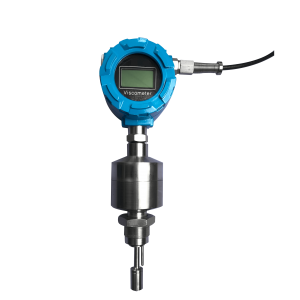
- Inline density meters and viscosity meters, as supplied by Lonnmeter, provide real-time liquid property data essential for accurate mass flow calculations. These instruments must maintain calibration at cryogenic conditions, as even minor density errors will translate to mass flow deviations.
- Automated sampling systems extract product samples for composition analysis, a requirement for quality and calorific value determination.
- Diagnostics and self-verification modules continuously monitor the health and performance of all metering instruments, alerting operators to sensor drift, fouling, or external disturbances early.
- All components are integrated with control and data recording subsystems. While Lonnmeter focuses exclusively on inline density and viscosity meters, these elements interact seamlessly with the control infrastructure required for audit trails and regulatory reporting.
The entire system is often subject to witnessed acceptance testing, both in works and onsite, to validate performance under cryogenic conditions. Skid design must facilitate routine calibration and maintenance, with provisions for device bypasses or redundant pathways to maintain measurement continuity if an instrument is taken offline.
Example: Custody Transfer at Bunkering and Terminals
At an LNG refueling station, or during ship-to-ship LNG transfer, custody transfer flow measurement relies on a metering skid equipped with a Coriolis mass flowmeter, Lonnmeter inline density and viscosity meters, and a certified sampling point. The system undergoes initial OIML R140 verification, periodic recalibration, and continuous diagnostic checks, ensuring that LNG quantities transferred are accurately recorded even in demanding cryogenic environments. Every transfer event is fully documented for regulatory and financial audit, as per contractual mandates.
Each component—flowmeter, density (Lonnmeter), temperature, and calibration—contributes to total uncertainty. The system must be designed such that the combined uncertainty does not exceed the 0.3% contractual or regulatory threshold.
Custody transfer metering in the LNG sector thus rests on a rigorously integrated, validated, and compliant system, structured to withstand the combined pressures of cryogenic operation, legal metrology, and commercial consequence.
Key Mass Flow Measurement Devices for LNG: Technologies and Comparison
Coriolis Mass Flowmeters
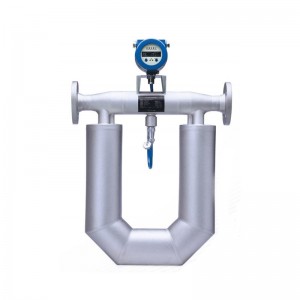
Coriolis mass flowmeters operate by measuring the Coriolis effect within a vibrating tube carrying LNG. As LNG flows through the meter’s sensor tubes, the fluid movement causes a measurable phase shift in the tube’s vibration. This shift, directly proportional to the mass flow rate, is detected by sensors and translated into high-precision mass flow, density, and temperature data. The technology’s inherent design—free from mechanical flow obstructions or moving parts in contact with the cryogenic liquid—makes it particularly robust for LNG applications.
Adaptability for cryogenic and LNG service is enabled through specialized materials such as stainless steel and thermally stable alloys. These materials maintain structural integrity at extremely low temperatures (often below -160°C), ensuring consistent accuracy even during rapid thermal cycling found in LNG refueling stations and cryogenic refueling systems. Continuous material advancements and improved digital processing have allowed Coriolis mass flowmeters to reliably deliver readings with an accuracy of ±0.1% to ±0.25% of reading, and density accuracy often within ±0.2 kg/m³—performance levels vital to custody transfer, inventory management, and compliance in LNG operations.
The prominent advantage of a liquid Coriolis mass flowmeter in LNG is its high accuracy and repeatability even in challenging cryogenic environments. Unlike differential pressure meters or mechanical turbines, Coriolis meters are unaffected by process pressure or changes in LNG density, allowing direct measurement of mass flow. This minimizes both systematic losses and random measurement errors commonly observed with other metering technologies. As these flowmeters require no moving parts exposed to flowing LNG, maintenance demand is reduced, and reliability in long-term cryogenic fuel handling is increased.
Recent enhancements in diagnostic algorithms support real-time process control and automated verification routines. These diagnostics allow users to monitor sensor health, validate meter zero conditions without stopping the process, and detect changes due to vibration or partial obstructions. Enhanced diagnostics help operators conform with metrology standards required by LNG custody transfer regimes, providing digital records for traceability and compliance.
Selecting a qualified supplier or manufacturer for Coriolis mass flowmeters, such as Lonnmeter, directly influences measurement system integrity and operational reliability. Manufacturers must provide meters calibrated at cryogenic temperatures, offer field verification tools, and ensure compatibility with advanced process requirements. Poorly specified or inadequately supported meters risk introducing error, especially under installation stresses or two-phase conditions—a scenario that advanced manufacturing practices can mitigate through better tube design and controller sophistication. A proven supplier’s role also extends to post-installation support, encompassing calibration, troubleshooting, and ongoing compliance documentation.
Ultrasonic Flowmeters
Ultrasonic flowmeters function by transmitting and receiving ultrasonic pulses across the flow path of LNG within a specially designed measuring section. The time difference between pulses traveling upstream and downstream is used to calculate the flow rate. This non-intrusive approach, with transducers external to the LNG flow path, is well-suited to cryogenic environments where contact with cold fluids can compromise traditional sensors.
In LNG applications, ultrasonic flow measurement technology excels for high-flow custody transfer scenarios, as commonly encountered in ship or truck loading at LNG terminals. The meters are designed for large-diameter pipelines, where the high flow rates and low pressure drops are essential, and where the need for minimal maintenance is pronounced due to the remote or hazardous nature of many LNG facilities. Ultrasonic meters achieve compliance with recognized metrology standards for custody transfer, provided they are installed with required straight runs and calibrated for LNG’s unique acoustic properties.
One distinguishing benefit of ultrasonic flowmeters is their minimal sensitivity to process pressure and absence of moving parts, making them resistant to wear or fouling. This durability leads to extended service intervals, low maintenance overhead, and reduced risk of operational downtime. Ultrasonic flowmeters’ diagnostic functions detect profile distortion, air/gas ingress, or transducer fouling—factors critical in LNG custody transfer flow measurement where sustained meter performance is required.
Typical application niches for ultrasonic meters include high-capacity LNG transfer lines and situations where pipeline diameters exceed the practical range of existing Coriolis technology. For example, LNG loading arms at import/export terminals leverage ultrasonic meters for pipeline diameters greater than 12 inches, as these meters can maintain accuracy requirements without introducing significant pressure loss.
In summary, both Coriolis and ultrasonic mass flow measurement devices play crucial roles in modern LNG custody transfer metering systems. Coriolis meters lead in high-precision, direct mass flow applications and provide measurement traceability critical to commercial transactions, while ultrasonic flowmeters deliver robust, large-diameter solutions where low maintenance and high-capacity performance are priorities. The optimal device selection depends on specific application needs, process conditions, and compliance requirements for advanced mass flow measurement in LNG infrastructures.
Boil-Off Gas Management in LNG Refueling Stations
Efficient management of boil-off gas (BOG) is a central challenge for LNG refueling stations. BOG forms during storage and transfer as a byproduct of heat ingress, resulting in vaporization of components like methane and ethane. Managing this gas is crucial from both economic and environmental standpoints.
Economic pressures on LNG refueling stations stem from the need to mitigate product losses and avoid unnecessary operational expenses. When BOG is vented or flared, valuable natural gas is lost, directly reducing daily station profitability. A recent simulation of BOG recovery and utilization demonstrated a potential annual income exceeding $138 million with gross profit margins near 97%, highlighting the scale of the financial opportunity for high-throughput operations. Even at smaller stations, BOG recovery can yield sustained revenue streams; one analysis reported a monthly income of €176 from recovered gas use in vehicle fueling, which, while modest in absolute terms, accumulates meaningfully over time.
Environmental considerations are equally important. Methane, the principal element of BOG, is a highly potent greenhouse gas. Unmanaged venting or flaring significantly increases a station’s carbon footprint. Recovery systems tested in operational LNG transport stations have prevented up to 8,549 kg of CO₂ equivalent emissions monthly by reusing BOG in onsite processes or converting it for vehicle use, resulting in substantial environmental benefits through both greenhouse gas mitigation and fuel substitution.
To address these challenges, a range of BOG management techniques have been adopted at LNG refueling stations. The most economically attractive solution is often the conversion of BOG into compressed natural gas (CNG). Comparative case evaluations show that CNG production yields the lowest minimum selling price for recovered gas, maximizing both station viability and economic gain. Other BOG management approaches include:
- Direct electricity generation using BOG as fuel to create energy for onsite use or grid export, further enhancing station energy self-sufficiency.
- Reinjection of BOG into LNG storage tanks or redirection into vehicle engines.
- Controlled flaring, typically used only where recovery or reuse is not feasible, though this method faces regulatory and sustainability scrutiny.
Many sites now integrate BOG recovery with cryogenic refueling systems, using advanced mass flow measurement devices such as high-accuracy Coriolis mass flowmeters and ultrasonic flowmeters. These instruments enable precise monitoring and custody transfer flow measurement of vapor and liquid streams, optimizing the overall efficiency of LNG custody transfer metering and enhancing station performance. Inline density and viscosity meters—such as those manufactured by Lonnmeter—play a supporting role by providing continuous, accurate monitoring of the fluid properties essential for optimal BOG capture and utilization.
Implementation of comprehensive BOG management reduces several financial risks for LNG refueling operators. These include losses from vented product, compliance penalties for excess emissions, and energy costs from reliance on external grid supplies. Enhanced mass flow measurement technology directly supports risk reduction by safeguarding metering integrity and ensuring verifiable, auditable gas handling.
The collective evidence underscores the economic and environmental imperatives for robust BOG management in LNG refueling stations. Careful deployment of recovery systems, supported by precise cryogenic fuel handling and mass flow measurement, is essential for profitable, sustainable operation in today’s demanding regulatory and market context..
Integrated Approaches: Combining Measurement, Control, and Storage
Advanced LNG refueling stations seamlessly integrate cold energy storage, precise mass flow measurement, and real-time process analytics to maximize performance and regulatory compliance. The cornerstone of this integration is the harnessing of cryogenic cold energy released during LNG regasification. When liquid natural gas transitions from −162°C back to its gaseous state, a significant amount of cold energy becomes available for capture. Leading facilities channel this energy into cold energy storage systems or link it with Liquid Air Energy Storage (LAES) units, creating a hybrid energy and refueling hub.
Thermodynamic modeling—including in process simulators such as Aspen HYSYS—demonstrates how coupling LAES with LNG regasification not only increases the system’s exergy efficiency (with total improvements surpassing 105%) but also narrows payback periods to as short as 2.5 years, even when accounting for advanced storage and generation subsystems. Stations configured with such integrated approaches benefit from dramatic reductions in operational costs due to efficient cascade utilization of cold energy, expanded operational flexibility, and enhanced site energy independence.
Concurrently, precise mass flow measurement is a prerequisite for accuracy in custody transfer and process control at these stations. Coriolis mass flowmeters, recognized for their high accuracy in cryogenic flow environments, directly measure mass flow rate—a considerable advantage over traditional volumetric meters. These devices remain reliable in dynamic, low-temperature, and variable-pressure LNG refueling conditions, supporting both commercial exchange and government oversight.
Modern integrated metering systems are now equipped with embedded diagnostics, enabling constant self-monitoring of flowmeters and other critical process devices. Failures, drifts, or calibration deviations are instantly identified. As a result, operators can maintain traceable, certified measurements, ensuring full compliance with international custody transfer standards for LNG. This is especially crucial in refueling stations where even minor deviations can translate into significant financial discrepancies or regulatory penalties.
Automation tightly couples measurement and control with storage processes. For example, live mass flow data obtained from Coriolis flowmeters feeds directly into automated control loops that adjust process valves, manage boil-off gas, or trigger corrective measures if operational anomalies are detected. The introduction of inline density meters, like those manufactured by Lonnmeter, further enhances process transparency. These meters, along with inline viscosity sensors, help ensure that every liter or kilogram of LNG is accounted for accurately at every stage—from storage and transfer to final dispensing.
Figure 1 below illustrates an integrated LNG refueling station where storage vessels, cryogenic piping, mass flow measurement, and system analytics are connected through a central process automation platform.
Custody transfer metering systems leverage the combination of Coriolis mass flow, density measurement, and integrated analytics to deliver certifiable results. They withstand harsh cryogenic conditions, ensuring that LNG throughput—recorded in kilograms or tons—remains accurate and tamper-proof for both trading partners and regulators. In sum, the confluence of cold energy storage, mass flow and density measurement devices, and automated analytics forms the backbone of reliable, efficient, and compliant LNG refueling operations.
Selecting and Sourcing Mass Flow Measurement Solutions
Selecting the optimal mass flow measurement solution for LNG applications starts with a clear comparison of Coriolis and ultrasonic technologies. The core distinction is their measurement principle. Coriolis mass flowmeters measure mass flow directly by sensing the phase shift caused by fluid movement in vibrating tubes. Ultrasonic flowmeters, in contrast, determine the volumetric flow based on ultrasonic pulse transit times; mass flow is then derived by factoring in measured or estimated fluid density.
Precision is critical for LNG custody transfer, as even minor mismeasurements can lead to significant commercial discrepancies. Coriolis mass flowmeters deliver intrinsic accuracy often reaching ±0.1% of the actual mass flow rate, unaffected by fluctuations in LNG composition or temperature. Since LNG’s density changes with varying physical properties, this direct mass measurement helps mitigate conversion errors present in volumetric techniques. Ultrasonic flowmeters, while capable of ±0.2% volumetric accuracy in ideal conditions, rely on external density measurement or estimation, introducing potential error if LNG properties shift unexpectedly during transfer. This makes Coriolis devices preferred for high-accuracy custody transfer, especially in applications where direct mass metering is required and line sizes are small to medium.
Installation and operational requirements provide further differentiation. Coriolis meters require robust mechanical support and efficient thermal insulation due to their mass and sensitivity to thermal cycling—considerations that intensify under cryogenic LNG handling. They introduce greater pressure drop as pipe diameter increases, limiting their practicality for large-scale pipelines. Ultrasonic meters, by design, deliver minimal pressure loss, scale well for large-diameter pipes up to forty-eight inches, and offer easier retrofit options due to non-intrusive or clamp-on configurations. Their lack of moving parts and straightforward inline serviceability also appeal to LNG operators managing expansive cryogenic networks.
Key technical specifications must be evaluated for both technologies:
Accuracy: Coriolis meters offer superior mass flow accuracy, often required for final custody transfer. Ultrasonic units provide notable accuracy for volumetric flow but need rigorous compensation for composition changes when used for mass calculations.
Calibration: Both meter types demand precise calibration routines. For cryogenic LNG service, this involves replicating operational conditions to ensure measurement fidelity across temperature and pressure cycles.
Reliability: Coriolis meters are known for robust performance in varying LNG compositions and pressures. Ultrasonic meters, though resistant to mechanical wear, must be checked periodically for signal degradation due to condensation or compromised transducers.
Diagnostics: Advanced diagnostic functions are available in both meter categories. Coriolis meters may self-monitor zero stability and tube health, while ultrasonic devices track signal strength, acoustic path integrity, and flow profile anomalies.
Integration Flexibility: Both types can be specified with standardized communication outputs to integrate with shipboard or terminal control systems. However, design and installation constraints—such as meter weight, space requirements, or insulation needs—may affect fit within legacy cryogenic fuel handling infrastructure.
The process of sourcing a Coriolis mass flowmeter for LNG, such as for high-throughput custody transfer at LNG refueling stations, requires a structured approach. Seek out Coriolis mass flowmeter manufacturers and suppliers with a proven record in LNG or other cryogenic fluid applications. Evaluate their portfolio for specific references in LNG refueling technology, confirmed compliance with relevant custody transfer procedures, and ongoing technical support capability. Inspection of their manufacturing rigor, calibration facilities for cryogenic service, and responsiveness to field service demands is vital for long-term operational success.
In selecting and qualifying a supplier, prioritize demonstrated reliability of installations in LNG terminals, transparent documentation on performance data at cryogenic temperatures, and robust after-sales service. The trustworthiness of your supplier directly impacts measurement reliability and the success of LNG custody transfer operations. Insist on a record of operational excellence and technical adaptability to ensure your measurement devices sustain reliable mass flow measurement throughout the lifecycle of your LNG infrastructure.
Maximizing Benefits: Operational and Environmental Advantages
Deploying high-accuracy mass flow measurement devices, particularly Coriolis mass flowmeters, offers tangible operational and environmental benefits in LNG refueling stations, LNG custody transfer metering, and cryogenic fuel handling. These advantages stem from precise mass flow, density, and temperature measurements, enabling both optimized process control and reliable emissions accounting.
Reducing Emissions and Losses
High-accuracy Coriolis mass flowmeters have proven crucial for minimizing emissions and product losses across the LNG supply chain. Their expanded measurement uncertainty—often as low as 0.50% in LNG applications—means less unaccounted gas during custody transfer, loading, and refueling operations. By accurately measuring even microflow variations and detecting subtle mass changes, these devices support rapid identification of leaks, eliminate undetected losses, and reduce the margin of error in emissions reports. This capability is essential for managing boil-off gas (BOG): precise flow data helps operators capture, quantify, and monetize BOG instead of venting it, directly curbing greenhouse gas releases and improving carbon accounting.
Increased Profitability and Sustainability
Optimized measurement impacts profitability by ensuring every kilogram of LNG is accurately tracked during transfer and sale, reducing financial disputes, and underpinning fair trade. In LNG refueling technology and cryogenic refueling systems, reliable custody transfer metering systems based on Coriolis or advanced ultrasonic flow measurement deliver traceable, auditable results. This tight control over inventory not only supports regulatory compliance but also enables operators to detect inefficiencies and improve process yields.
Sustainability is enhanced as well: advanced mass flow measurement reduces waste throughout the fuel life cycle, mitigates fugitive methane and CO₂ emissions, and enables trustworthy reporting for voluntary and regulatory frameworks. The ability to monitor real-time density and viscosity (with devices such as inline density and viscosity meters from Lonnmeter) expands process insight, allowing for adjustments that further increase energy efficiency and minimize environmental impact.
Superior Accuracy: Direct Benefits
Superior measurement accuracy leads directly to enhanced process efficiency and lower environmental footprint. For cryogenic fuel handling and LNG custody transfer, modern Coriolis meters do not require straight pipe runs and handle installation constraints, ensuring accuracy even in compact, retrofitted environments. With robust calibration and traceable verification, measurement uncertainty is minimized—even under low-temperature stress, high pressure, or varying gas compositions.
Lonnmeter’s inline density and viscosity meters play a supporting role, providing real-time fluid property data that complements mass flow rate measurement data. This comprehensive measurement suite allows operators to adapt processes in real time to maintain product quality, maximize throughput, and comply with tightening emissions limits.
In summary, deploying high-accuracy mass flow measurement devices transforms LNG operations, enhancing profitability and sustainability through precise monitoring, loss prevention, and emissions reduction. Integration with density and viscosity metering further strengthens environmental and operational outcomes, meeting today’s demands for accurate, transparent, and responsible LNG management.






Frequently Asked Questions (FAQs)
What are the main advantages of using a Coriolis mass flowmeter in LNG applications?
Coriolis mass flowmeters deliver direct mass flow measurement, which is critical for liquefied natural gas (LNG) custody transfer, as contracts are typically based on mass rather than volume. This eliminates errors from variable LNG densities and reduces the need for complex volume-to-mass conversion. The benefit of this direct measurement is high accuracy, often better than ±0.1%, resulting in precise financial settlements and improved transaction transparency.
These flowmeters operate reliably in extreme cryogenic temperatures and are robust against the challenging environmental conditions of LNG refueling technology and cryogenic fuel handling. With no mechanical moving parts, Coriolis meters need minimal maintenance, decreasing downtime and total cost of ownership. The ability to measure mass flow, density, and temperature simultaneously allows calculation of parameters like energy content and net calorific value, directly within the flowmeter itself.
Another advantage is stability in changing process conditions, such as fluctuating pressure, temperature, or the presence of mixed liquid and vapor phases—common in LNG refueling stations and cryogenic refueling systems. Coriolis meters are also recognized by international regulatory bodies for their performance in custody transfer applications.
How does an ultrasonic flowmeter perform in cryogenic refueling operations?
Ultrasonic flowmeters are suited for high-capacity LNG flows, excelling in situations where low pressure loss and reduced maintenance are essential. Since they use ultrasonic waves to measure flow velocity, there is no constriction or obstruction in the pipe, maintaining system integrity in cryogenic areas. Performance is consistent across varying flow rates, and the design is inherently resistant to wear because there are no wetted moving components. This technology is favored for continuous process monitoring and custody transfer flow measurement, where verification of data integrity and repeatability is vital.
In practice, ultrasonic flowmeters support LNG custody transfer metering by handling large pipeline diameters with minimal installation constraints, making them adaptable in diverse facility layouts and retrofit scenarios in LNG refueling stations.
How can a LNG refueling station manage boil-off gas efficiently?
Efficient management of boil-off gas (BOG) is crucial for economic performance and environmental compliance at LNG refueling stations. Strategies include integrating BOG conversion systems that compress and reuse natural gas, rather than venting or flaring it. High-accuracy mass flow measurement devices, such as Coriolis and ultrasonic flowmeters, are essential to monitor BOG quantity and track losses throughout the process.
Implementing precise mass flow measurement allows for immediate detection of inefficiencies or leaks, which in turn helps reduce overall losses and greenhouse gas emissions. Automated controls based on real-time measurement data can trigger responses to changing operating conditions, keeping emissions and product losses minimal.
What should I consider when selecting a coriolis mass flowmeter supplier or factory for LNG?
Prioritize suppliers and coriolis mass flowmeter manufacturers with verified experience in cryogenic and LNG applications. They must demonstrate technical expertise, robust calibration procedures, and a track record for delivering mass flowmeters with high accuracy, stability, and repeatability under extreme conditions. Evaluate their willingness and ability to provide technical support for installation, system integration, and ongoing calibration verification.
Ensure their meters meet applicable regulatory and industry standards for LNG custody transfer. It is recommended to assess references from LNG refueling stations regarding performance and reliability, as well as to verify transparent documentation for each device.
Why is custody transfer metering critical in LNG refueling?
Custody transfer metering is a central pillar in LNG refueling, ensuring that financial transactions between supplier and purchaser are precise and legally defensible. Since LNG value is high, even minor inaccuracies can result in substantial economic impact. Flowmeters such as high-accuracy coriolis mass flowmeters and ultrasonic flowmeters provide verified data for each transfer, reducing disputes and ensuring the station adheres to regulations.
Accurate custody transfer metering supports transparent, auditable records, reducing the likelihood of errors or fraud. It provides assurance that all parties receive or deliver the agreed-upon amount of product.
How does mass flow measurement improve the sustainability of LNG refueling systems?
Using advanced mass flow measurement devices, LNG refueling stations can significantly lower energy waste by optimizing filling, storage, and transfer of LNG. Accurate, real-time monitoring ensures that each transfer is optimized, minimizing losses and fugitive emissions. Precise measurement is crucial for responsible cryogenic fuel handling; it allows operators to adjust processes for efficiency and align with emissions targets, improving sustainability throughout the LNG value chain.
Mass flow measurement also enables better tracking of consumption and losses, supporting compliance initiatives and operational improvements aimed at lowering the environmental footprint.
Are mass flow rate measurement devices reliable under extreme cryogenic conditions?
Coriolis and ultrasonic mass flow rate measurement devices are engineered for performance under the demanding cryogenic temperatures and pressures found in LNG applications. Materials of construction and sensor designs are selected to prevent brittleness and measurement drift at cryogenic temperatures.
Continuous calibration and diagnostics capabilities help maintain accuracy and repeatability, even with temperature swings, vibration, or varying flow regimes typical of LNG processes. The proven reliability in LNG refueling technology, as documented in large-scale facility deployments, underscores their role as preferred solutions for mass flow measurement in extreme environments.
Charts below illustrate typical measurement accuracy as a function of temperature for both Coriolis and ultrasonic flowmeters in LNG applications:
This consistency is fundamental for process control, emission tracking, and financial settlements in the cryogenic fuel sector.
Post time: Dec-23-2025


