

Inline pressure measurement is indispensable for the efficient, safe, and compliant operation of large-scale biogas plants, as it enables real-time monitoring of pressure dynamics across anaerobic fermentation and biogas processing stages—detecting fluctuations caused by feedstock inconsistencies, blockages, gas spikes, or leaks that threaten methane yield, equipment integrity, and worker safety.

Large Scale Biogas Plant
*
Fundamentals of Anaerobic Fermentation and Methane Generation
The anaerobic fermentation process for biogas production is the core technology within large scale biogas plant design and operation. The process transforms organic feedstock—such as agricultural residues, sludge, or food waste—into biogas in the absence of oxygen by orchestrating complex microbial consortia. Methane is the principal component of biogas, generated through a series of biological reactions that occur in four sequential stages: hydrolysis, acidogenesis, acetogenesis, and methanogenesis.
During hydrolysis, complex organic molecules like carbohydrates, proteins, and fats are broken down by hydrolytic bacteria into simpler monomers, including sugars, amino acids, and fatty acids. This step is critical because only soluble organic materials can pass cell membranes and enter microbial metabolism. Next, acidogenesis further processes these monomers, converting them into volatile fatty acids, alcohols, hydrogen, carbon dioxide, and ammonia. It is at this stage where the risk of ammonia emission and the formation of hydrogen sulfide gas begins, making gas detection and emission control vital for process stability and for preventing corrosion in industrial biogas facilities.
Acetogenesis is the third stage where volatile fatty acids and alcohols are converted by acetogenic bacteria into acetic acid, hydrogen, and carbon dioxide. This step is highly sensitive to environmental conditions; accumulation of intermediate products can inhibit microbial activity. Methanogenesis follows as the final stage, where methanogenic archaea convert acetic acid, hydrogen, and carbon dioxide into methane and water vapor. The presence of saturated water vapor and carbon dioxide in the resulting biogas requires continuous monitoring and control, as their excessive concentrations can impact both equipment integrity and biogas quality.
Methane production process optimization in modern plants often involves practices such as co-digestion—combining multiple substrates to balance nutrients and enhance microbial synergy—and pretreatment intensification, which makes complex organics more accessible to microbes. These approaches allow operators to increase biogas yields, improve process stability, and manage variations in feedstock characteristics, as evidenced by recent comprehensive review literature.
Real-time inline instrumentation plays a pivotal role in ensuring optimal fermentation conditions and reliable methane gas generation. An inline pressure transmitter continuously monitors gas pressures within the digester, helping detect deviations caused by blockages, feed fluctuations, or potential pipe blockage. Accurate pressure measurement is also critical for guiding pipe blockage detection and for mitigating the effects of rainwater immersion, temperature drift, and external environmental vibration that can influence measurement accuracy. Inline temperature transmitters enable tight control of reactor temperature, which directly affects microbial activity rates; even minor temperature changes can induce zero drift in pressure sensors or reduce overall process efficiency.
Level transmitters track the volume of slurry or digestate within the reactor, providing data essential for preventing overflow or underfilling that can disrupt the anaerobic environment. Concentration meters gauge biogas composition, allowing for monitoring of carbon dioxide, methane, and hydrogen sulfide levels to enable rapid mitigation actions. Inline density meters manufactured by Lonnmeter are deployed to determine the density of slurry or biogas mixtures, providing critical input for calculations related to gas yields, mass flow rates, and process control strategies.
Together, these automation instruments support the continuous pressure monitoring systems for industrial applications crucial to the safe, efficient, and optimized operation of industrial biogas plants. They help operators maintain tight control over process variables, implement robust ammonia emission control, perform timely sensor calibration, and protect equipment against the effects of corrosion, saturated vapor, and other operational hazards encountered in large-scale methane production.

Functions of Continuous Pressure Monitoring
Continuous pressure monitoring is integral to large scale biogas plant design and operation. In anaerobic fermentation processes for biogas production, most methane reactors operate between 0.1 and 1.5 bar gauge pressure, depending on digester type and downstream equipment. Reliable inline pressure transmitters are required, as pressure directly affects microbial stability, biogas yield, and the effectiveness of methane production process optimization.
Pressure fluctuations inside the digester can reduce the efficiency of methane gas generation methods. Elevated pressure can suppress gas formation, while pressure drops may indicate leaks or uncontrolled gas releases. Both situations threaten product quality and compromise safety. Inline pressure transmitters continuously track the reactor’s internal pressure, underpinning stable anaerobic digestion conditions to maintain optimal microbial activity and nutrient distribution. Consistent pressure is necessary to minimize risks of ammonia emission, to reduce carbon dioxide losses, and to help manage hydrogen sulfide gas levels.
The advantages of using dedicated industrial pressure measurement techniques and instruments in biogas production include immediate detection of overpressure conditions—preventing mechanical failure or vessel rupture. Inline transmitters can identify abnormal process events, such as sudden gas release (caused by agitation, mechanical faults, or gas accumulation), foam formation that risks blocking valves and pipelines, and process upsets or blockages—helpful for mitigating danger and preventing costly downtime in continuous operations.
Highly adaptable, modern inline pressure transmitter technology remains reliable in demanding biogas environments. These sensors are designed to cope with measurement drift due to temperature fluctuations, environmental vibration effects, rainwater immersion, and saturated water vapor—common in large outdoor reactor installations. Protective housing, advanced zero drift calibration methods, and sensor designs specifically adapted to biogas media prevent errors from pressure guiding pipe blockage and corrosion. Lonnmeter’s inline sensors are built for continuous performance in these harsh, variable environments, contributing to precise process control, safer operations, and enhanced methane output.
Key Challenges in Pressure Measurement and Sensor Performance
Environmental Hazards: H2S, CO2, Ammonia, Water Vapor, Corrosion
Hydrogen sulfide (H2S) is one of the most aggressive substances encountered in large scale biogas plant design and operation. H2S triggers rapid sensor corrosion, which can cause system failures and disrupt continuous pressure monitoring systems for industrial applications. Material compatibility is critical: stainless steel grades such as 316L and Hastelloy are preferred to withstand H2S, while sensor manufacturers deploy specialized coatings or alloys for added protection. Implementing H2S mitigation strategies—like upstream scrubbing or localized chemical barriers—helps extend sensor lifespan in anaerobic fermentation processes for biogas production.
In addition to H2S, saturated water vapor and carbon dioxide (CO2) exert a corrosive effect on sensors. Water vapor can penetrate seals and housings, leading to moisture accumulation, insulation breakdown, and erratic readings. Selecting sensors with robust ingress protection (IP65 or higher), hermetic seals, and hydrophobic barriers is essential. Regular preventive maintenance—including inspection for vapor damage and timely replacement of vulnerable seals—significantly improves sensor life and reliability.
CO2, especially present in high concentrations within anaerobic digesters, accelerates corrosion through formation of carbonic acid. Using corrosion-resistant metals and non-metallic parts, such as PTFE gaskets, offers a buffer against CO2-induced degradation. Routine cleaning and visual inspections help detect early signs of corrosion and offset the effects on sensor performance.
Ammonia presents a dual challenge in methane gas generation methods. First, it induces chemical attack, deteriorating sensor surfaces. Second, ammonia can cause crystalline deposits that insulate sensor probes and interfere with accurate pressure readings. Devices designed for ammoniated environments must feature selective barrier coatings and chemically inert wetted components. Ensuring measurement integrity in these settings is vital for ammonia emission control and for overall methane production process optimization.
Across all contaminants, corrosion prevention demands advanced sensor design and thorough material selection. Using thick-walled protective housings, chemically stable isolation diaphragms, and multi-layer coatings creates a resilient sensor suitable for industrial biogas facilities. Maintenance protocols should include scheduled inspection for corrosion, immediate attention to compromised sensors, and environmental risk assessments tailored to each process stage.
Instrumentation-Related Faults: Blockage, Drift, and Vibration
Pressure guiding pipe blockage is a leading cause of measurement faults in industrial pressure measurement techniques and instruments. Blockages occur from solids build-up (e.g., biofilm, grit, precipitates) and can severely limit sensor access to process pressure. The primary solutions are accessible instrument routing, routine pipe cleaning with pigging or flushing techniques, and design features such as purging points or wider bore tubing. Regular visual checks and cleaning intervals are key for methane production process optimization.
Temperature drift affects pressure sensors by causing baseline shifts or zero errors. Fluctuations in ambient and process temperatures can induce sensor materials to expand or contract, impacting accuracy. Industries address this with zero drift calibration methods—applying reference pressure under stable conditions and electronically or mechanically resetting the sensor baseline. Deploying temperature-compensated sensor designs and insulating pressure lines minimizes thermal variation.
Environmental vibration is another considerable difficulty, especially in facilities using high-speed rotating equipment. Vibrations transmit to sensor bodies or mounting points, producing false signals or masking real pressure changes. Best practices for minimizing these effects include solid mounting to vibration-dampened surfaces, isolating connections using flexible couplings, and avoiding placement on equipment frames or unbraced piping. Installing sensors at appropriate distances from vibration sources is recommended for accurate readings in methane gas generation methods.
Rainwater immersion poses serious challenges for outdoor sensor installations in continuous pressure monitoring systems for industrial applications. Prolonged exposure to rain can cause electrical shorts, corrosion, and sensor failure. Countermeasures include using weatherproof sensor housings, ensuring cable entries feature robust gaskets and gland seals, and applying conformal coatings to sensitive electronics. These steps are critical to maintain pressure sensor reliability in large scale biogas plant design and operation.
Integration of Inline Instruments for Comprehensive Process Control
A comprehensive process control strategy in large scale biogas plant design and operation relies on the coordinated deployment of inline concentration meters, inline density meters, inline level transmitters, as well as inline pressure and temperature transmitters. Each sensor type supplies real-time data that, when integrated, creates a holistic understanding of the anaerobic fermentation process for biogas production.
Inline concentration meters and Lonnmeter inline density meters track critical parameters like methane concentration and slurry density. This directly informs operators about the status of methane gas generation methods. For instance, abrupt shifts in density or gas concentration can reveal process deviations or risks, enabling swift correction to maintain methane production process optimization.
Inline level transmitters continuously monitor substrate levels within digesters and storage tanks. By aligning these readings with signals from inline pressure and temperature transmitters, operators not only prevent overflow or low-level shutdowns, but also fine-tune feedstock input and agitation cycles for peak methane yield.
A well-coordinated network of inline sensors dramatically improves troubleshooting. If pressure begins to fluctuate unexpectedly, data from inline density meters can highlight potential causes, such as saturated water vapor accumulation, foam formation, or solids build-up. Temperature transmitters help distinguish temperature drift impact on pressure sensors from process-related pressure changes, supporting accurate diagnosis and corrective action.
This integration is vital for hydrogen sulfide gas detection and mitigation in biogas plants. Inline concentration meters spot rising H₂S levels that could corrode equipment or impact gas usability. Coordinated with density and pressure data, operators get early warnings for conditions favoring H₂S generation, prompting interventions that bolster corrosion prevention in industrial biogas facilities.
Inline instruments also enhance carbon dioxide monitoring and control in anaerobic digesters. Real-time reporting on CO₂ percentages guides process adjustments to keep methane purity high. For ammonia emission control in biogas plants, level, density, and pressure readings together reveal abnormal substrate conditions, supporting timely action. This responsiveness is essential for maintaining regulatory and safety compliance, especially regarding emissions and plant security.
In addition, continuous pressure monitoring systems for industrial applications benefit from auxiliary sensor data. Zero drift calibration methods for industrial sensors and compensation for environmental vibration effects on pressure measurement accuracy are supported by cross-referencing data from various inline devices. Coordinated inline readings also help identify causes and solutions for pressure guiding pipe blockage, as discrepancies in level and pressure highlight blockages or leaks. In outdoor installations, integration of rainwater immersion protection for sensors ensures reliable operation despite environmental challenges.
By harmonizing data from these different instruments, operators uphold process safety, improve methane yield, and ensure ongoing compliance—delivering robust control over complex biogas production environments.

Lonnmeter Inline Pressure Transmitters: Advanced Solutions for Methane Gas Production
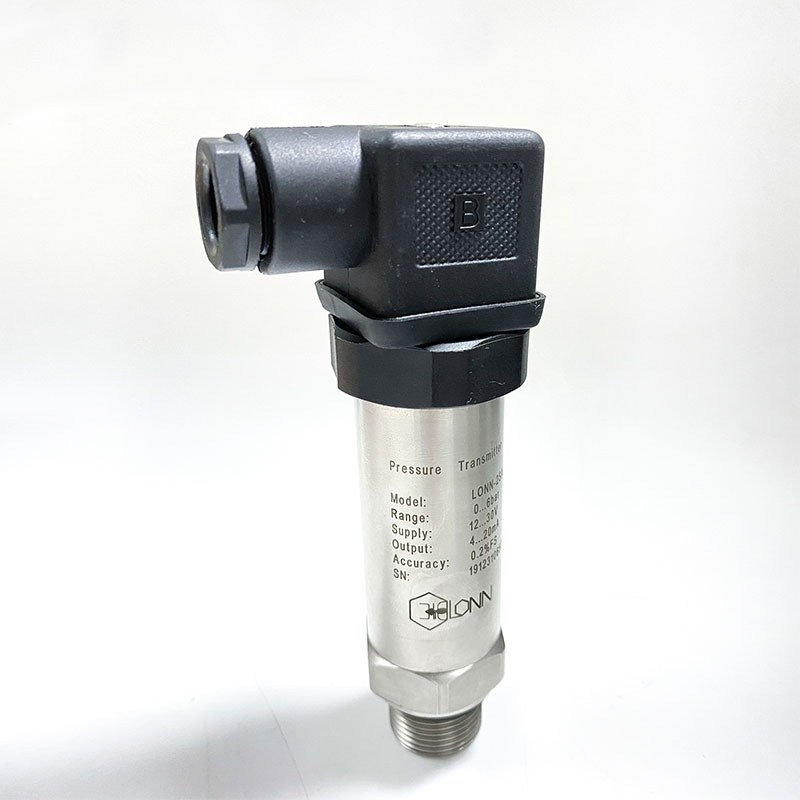
Lonnmeter inline pressure transmitters are engineered for the harsh realities of large scale biogas plant design and operation. In these settings, aggressive chemicals, saturated water vapor, fluctuating temperatures, and high concentrations of hydrogen sulfide put continuous pressure monitoring systems to the test. Lonnmeter transmitters are built with corrosion-resistant wetted parts, commonly in 316L stainless steel with optional high-grade surface coatings, to endure persistent exposure to hydrogen sulfide and ammonia—elements that accelerate sensor degradation if left unchecked. Their housing and cable interfaces offer ingress protection against rainwater immersion, key for outdoor installations where weatherproofing cannot be compromised.
The anaerobic fermentation process for biogas production creates complex measurement environments. Lonnmeter transmitters handle high moisture, variable CO₂, and sudden pressure jumps, maintaining stability even as saturated water vapor and temperature swings threaten accuracy. Specialized sensor elements minimize temperature drift, while built-in compensation electronics further suppress environmental vibration effects and zero drift. Lonnmeter also recognizes the challenge of pressure guiding pipe blockage—often caused by media condensation or solid precipitates—offering robust direct insertion designs to reduce maintenance and protect measurement integrity, even under variable sludge or foam levels.
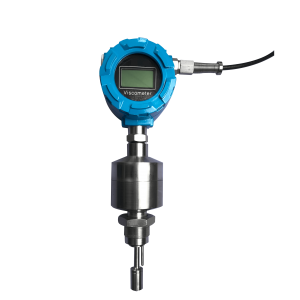
Seamless integration with plant SCADA and PLC systems means Lonnmeter transmitters support common industry protocols, such as 4–20 mA analog and Modbus, for real-time data acquisition. This compatibility allows for plant-wide connectivity, linking pressure transmitters with other inline instruments—such as density and viscosity meters from Lonnmeter—to create a unified optimization suite for the methane production process. With accurate inline pressure monitoring feeding process control logic, operators can adjust feedstocks, agitation rates, or venting strategies dynamically, supporting higher methane yields, tighter ammonia emission control, and optimized carbon dioxide levels in anaerobic digesters.
Practical benefits of deploying Lonnmeter inline transmitters become apparent in plant performance metrics. Responsive and stable pressure measurement enables tighter process control, boosting methane yields and reducing variability in methane gas generation methods. Robust construction reduces downtime linked to corrosion, guiding pipe blockages, or sensor failure. Extended sensor life, due to high-grade materials and effective compensation for temperature drift and environmental vibration, results in fewer disruptive sensor replacements. Proactive system alerts driven by precise anomaly detection minimize emergency shutdowns, lowering both maintenance costs and energy consumption.
Safety and efficiency both benefit. Early warning of hydrogen sulfide spikes or ammonia emission surges allows for timely mitigation, protecting equipment and meeting environmental compliance. Rapid detection of rainwater ingress or abnormal saturation levels promotes immediate intervention, reducing the likelihood of catastrophic equipment failure.
Optimized for the demands of industrial pressure measurement techniques and instruments, Lonnmeter inline pressure transmitters deliver accuracy and reliability that directly translates into operational savings for biogas producers, supporting cost-effective energy production and sustainable methane output at scale.
Recommended Installation for Inline Pressure Measurement
Optimal placement of inline pressure transmitters in large scale biogas plant design and operation plays a significant role in effective process control. Proper transmitter locations support the anaerobic fermentation process for biogas production and are essential for continuous pressure monitoring systems in industrial applications.
Placement should address key points along the process stream: before the anaerobic digester (to monitor feedstock pressurization), within the digester (to capture fermentation dynamics), immediately downstream of the digester (to track methane gas generation methods), and before and after gas cleaning units (such as hydrogen sulfide or carbon dioxide scrubbers). This layout enables direct feedback for methane production process optimization by allowing fast detection of pressure spikes, gradual drops due to fouling, or leaks that threaten efficient operation.
Mounting orientation is critical; sensors should be installed upright when possible to prevent liquid accumulation in pressure ports and reduce the effects of saturated water vapor, which can distort measurements or cause corrosion. Ensuring all connections are tightly sealed is necessary to avoid ammonia and biogas emissions, which contribute to equipment wear. Use of short, straight impulse lines when necessary can help minimize clogging from particulates, and prevent common causes of pressure guiding pipe blockage.
Industrial pressure transmitters must be protected from environmental hazards common in biogas facilities. Vibration isolation mitigates inaccuracies from pump or compressor movement, while robust, weatherproof enclosures protect against rainwater immersion for outdoor installations. Cable and housing seals must ensure protection against immersion and dust ingress.
Temperature drift is another risk. Mounting practices should keep transmitters out of direct sunlight and away from hotspots near engines or flares, reducing temperature-induced zero drift. Regular zero drift calibration methods must be outlined, using reference points or clean sections of pipework to establish baseline measurements for recalibration.
Harmonizing pressure sensors with other inline instruments such as level, temperature, methane concentration, density (including Lonnmeter inline density meters), and hydrogen sulfide gas detectors provides a comprehensive process view. Placement of these sensors should consider local flow conditions, avoiding turbulence that can skew data or create response delays. For example, density meters require stable, bubble-free flow—installing both pressure and density meters in tandem at straight, well-mixed pipe segments ensures reliable cross-reference and improves overall process feedback.
Corrosion prevention must address gas composition monitoring; hydrogen sulfide, ammonia, and carbon dioxide can degrade exposed sensor surfaces. Selection of chemically resistant alloys for wetted parts, along with strategic sensor placement outside of high-corrosion zones, prolongs sensor life and maintains accuracy.
Integrating all inline measurement approaches, and following these best practices for placement and mounting, supports continuous and accurate monitoring of the anaerobic digestion process and subsequent gas processing steps, laying the foundation for improved methane yield and reliable, long-term operation at scale.
Request a Quote: Upgrade Your Methane Production with Lonnmeter
Lonnmeter inline pressure transmitters redefine reliability and safety in large scale biogas plant design and operation. With rugged, corrosion-resistant materials, these transmitters stand up to hydrogen sulfide gas, saturated water vapor, and aggressive chemicals common in the anaerobic fermentation process for biogas production. Their inline architecture resists blockage from solids and condensates, supporting uninterrupted real-time monitoring throughout demanding methane gas generation methods.
Lonnmeter transmitters deliver continuous, precision pressure measurements. This ensures instant process control for carbon dioxide monitoring and ammonia emission reduction, raising efficiency and minimizing downtime. Their advanced zero drift calibration routines and robust enclosures counteract temperature drift and environmental vibration, maintaining stable accuracy even in outdoor installations exposed to rainwater immersion and dust. These features prevent data loss and reduce costly maintenance interventions typically caused by sensor failure or pressure guiding pipe blockage.
Process managers, plant engineers, and biogas facility owners seeking to optimize industrial pressure measurement techniques and instruments for methane production process optimization can benefit from tailored Lonnmeter sensor solutions. Request a personalized consultation or quote today—each offer is adapted to your facility’s specific requirements for uncompromising operational performance.





FAQs
- Why is inline pressure measurement critical for anaerobic digesters in biogas plants?
Inline pressure measurement is essential for maintaining stable anaerobic fermentation conditions, as pressure fluctuations directly signal issues like feedstock inconsistencies, pipe blockages, gas generation spikes, or leaks. These real-time data points support optimal microbial activity, prevent suppressed methane production from elevated pressures, and avoid safety risks from uncontrolled gas releases—all while laying the groundwork for higher biogas yields and process efficiency.
- What key environmental challenges do inline pressure transmitters face in biogas plant operations?
Inline pressure transmitters in biogas plants must withstand aggressive conditions including hydrogen sulfide (H₂S) and carbon dioxide-induced corrosion, saturated water vapor that can cause moisture buildup and sensor failure, temperature drift that skews readings, environmental vibration from on-site equipment, and rainwater immersion for outdoor installations. Robust designs (e.g., 316L stainless steel components, hydrophobic membranes, IP65+ housings) are required to mitigate these hazards.
- How does inline pressure data help control harmful emissions like H₂S, CO₂, and ammonia in biogas plants?
Pressure data acts as an early warning system for conditions that drive harmful emissions: abnormal pressure shifts can indicate rising H₂S levels (which cause corrosion), imbalanced CO₂ concentrations (which reduce methane purity), or ammonia release risks from unstable fermentation. When paired with other inline sensors (e.g., concentration meters), this data enables targeted mitigation strategies—such as upstream scrubbing for H₂S or process adjustments for CO₂ control—to ensure regulatory compliance and equipment longevity.
- What calibration and maintenance practices are necessary for inline pressure transmitters in biogas facilities?
Routine validation and recalibration are critical to preserve accuracy, with zero drift calibration methods used to reset sensor baselines under stable conditions. Maintenance also includes addressing temperature drift via compensated sensor designs, regular cleaning of pressure guiding pipes to prevent blockages from biofilm or solids buildup, and inspecting seals/housings to guard against water vapor and rain ingress. These steps minimize downtime and ensure reliable long-term performance.
- Can inline pressure transmitters integrate with other sensors to improve biogas plant process control?
Yes, integrating inline pressure transmitters with density, level, temperature, and concentration meters creates a holistic process monitoring system. For example, pressure fluctuations paired with density data can identify foam formation or water vapor accumulation, while combining pressure and level readings helps prevent digester overflow or underfilling. This integrated data stream supports faster troubleshooting, precise feedstock adjustments, and enhanced emission control—ultimately boosting overall plant efficiency and methane production.
Post time: Jan-08-2026


