

Level Measurement Solutions
What are Inline Level Meters?
Inline level meters, also known as inline level sensors or inline level transducers, are precise instruments to monitor the level of liquids, solids or slurries in tanks, silos or vessels in a continuous manner. Those continuous level sensors convert level data into electrical signals (e.g., 4-20 mA) for process control and monitoring by utilizing technologies like ultrasonic, radar, hydrostatic, or capacitive, they ensure accurate inventory tracking, overflow prevention, and operational efficiency. Explore diverse solutions for challenging applications here.
Why Choose Lonnmeter Level Measurement Solutions?
Lonnmeter, the manufacturer or supplier of level sensors, provides professional level measurement solutions to users according to specific requirements for industries like as oil and gas, chemical processing, water and wastewater, food and beverage, pharmaceuticals, and mining to optimize inventory management, ensure safety, and meet regulatory standards. Get professional suggestions to empower precision measurement.
Challenges in Continuous Level Measurement
◮ Foam, vapor or material buildup on sensors may interfere reliable and accurate level readings in harsh or variable environments, which leads to overfilling, spills or inventory mismanagement, causing safety risks or financial losses.
◮ Choose durable level sensors to withstand corrosive, abrasive or viscous materials without degrading. Frequent sensor replacement or maintenance increases operational cost and downtime.
◮ Complex installation and calibration consume much time and require specialized expertise. Increase risks of prolonged setup delays and calibration errors in costly process interruptions.
◮ Incompatible with diverse plant control systems like PLCs, SCADA, or IoT platforms. Integration issues lead to data silos, reduced automation, or costly system upgrades.
◮ Frequent cleaning, recalibration or replacement in harsh environments increase cost of maintenance. Unplanned maintenance disrupts production schedules and increases labor costs.
◮ Difficult to strike a balance between high-performance sensors with budget constraints. Plant owners compromising on quality lead to inefficiencies and overspending.
◮ Fail to meet strict standards regarding safety, hygiene and environmental regulations. Non-compliant sensors can lead to regulatory fines, failed audits, or safety incidents.
Advantages of Continuous Level Measurement
✤Prevent overfill or dry-run incidents to protect equipment and personnel.
✤Optimize inventory management with precise level data.
✤Reduce energy costs through efficient pump and process control.
✤Ensure compliance with industry standards (e.g., FDA, API, ISO).
✤Minimize downtime by detecting issues like buildup or foam early.
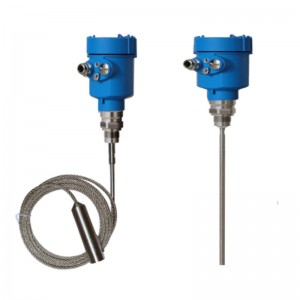
Types of Level Sensors


Applications of Level Sensors
Sulfuric Acid Flow Measurement
Inline flow measurement is an indispensable necessity for the safe, compliant transportation of hazardous chemicals read more
Modern Water Treatment Plants
Accurate water level monitoring is essential in the water treatment plant process, ensuring ... read more
Carbonated Beverage Production
Carbonated beverage production demands exceptional consistency and precision at every stage. Variations in ... read more
Pharmaceutical Sterile Tank
Maintain precise level control in sterile tanks, supporting regulatory compliance with hygienic, high-accuracy sensors.
Mining
Measure levels of abrasive bulk solids or slurries in silos and hoppers, with durable sensors for rugged environments.
Benefits of Lonnmeter Level Transmitters
Improve accuracy of level measurement for reliable inventory and process control;
Robust material available for corrosive or abrasive environments;
Versatile integrations like 4-20 mA, HART, Modbus, and WirelessHART bridge barriers in system compatibility;
Non-contact design reduce risks of equipment wear and potential downtime;
Provide expert guidelines in remote control settings and calibrations.
Partner with the Level Sensor Manufacturer
Contact engineers and get tailored solutions based on specific operational requirements. Introduce precision instruments for level measurement to complex industrial processing systems, reducing costly wastage and enlarge profit margins.


